



What Is a Silent Migraine?
A silent migraine occurs when a person experiences sensory aura symptoms (visual disturbances and dizziness) without the usual throbbing headache.
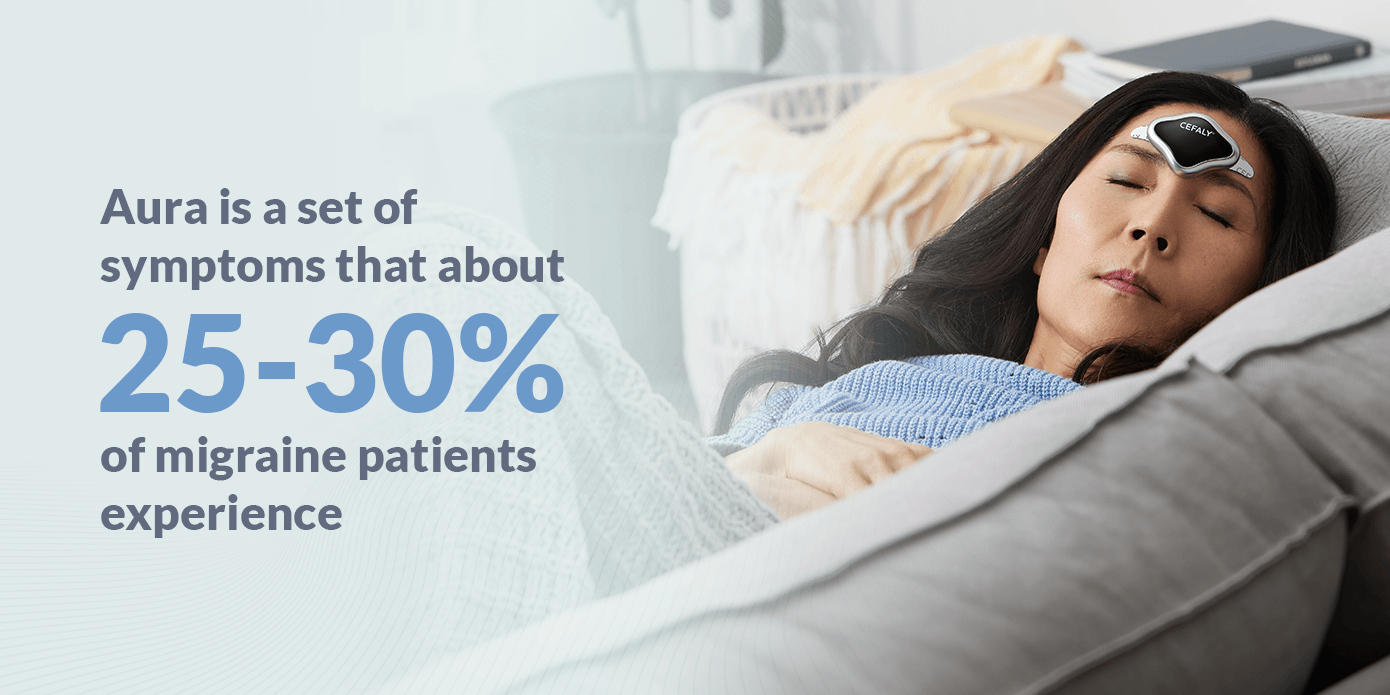
Aura affects about one-third of all migraine sufferers. About 5% of people with migraine experience a silent — or acephalgic — migraine episode.
Even without a headache, silent migraine attacks can disrupt your life. Knowing your silent migraine symptoms, triggers and treatment options can help you find relief.
- Silent migraine symptoms
- Diagnosis of silent migraine
- Causes & triggers of silent migraine
- Silent migraine treatment
Symptoms of a silent migraine episode
Like regular migraine attacks, silent migraine episodes occur in phases. However, silent migraine attacks skip the headache phase and include an aura phase. The prodrome phase preceding a silent migraine episode and the postdrome “migraine hangover” phase may or may not happen.
Starting up to 24 hours before a silent migraine episode, prodrome symptoms include:
- Fatigue and yawning.
- Difficulty sleeping.
- Irritability.
- Light and sound sensitivity.
- Neck stiffness.
- Difficulty concentrating, speaking or reading.
- Frequent urination.
If you notice these symptoms happening before your migraine episodes, note them in a migraine journal. Recognizing them can be a cue to take preventive action.
When the aura phase kicks in, symptoms may include:
- Visual disturbances like dots, spots or lines.
- Flashing lights in your vision.
- Blind spots.
- Tunnel vision.
- Difficulty hearing or ringing in your ears.
- Dizziness or disorientation.
- Sensitivity to light, sound, smell or touch.
- Nausea or vomiting.
If you experience any of the following symptoms, you may be experiencing a stroke rather than migraine and should contact emergency care immediately:
- Sudden numbness in your face, limbs or on one side of your body
- Sudden loss of vision in one or both eyes
- Sudden dizziness that causes you to lose your balance or ability to walk
- Sudden inability to speak normally or understand others
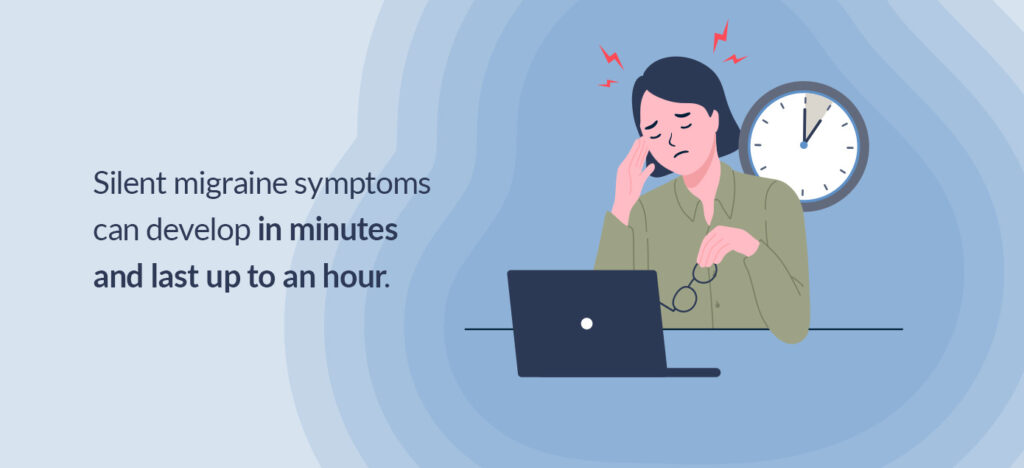
Silent migraine symptoms can develop in minutes and last up to an hour. After the aura phase, you may experience hangover-like postdrome symptoms, such as tiredness, aches and brain fog for up to a day.
Diagnosing silent migraine
If you believe you are experiencing silent migraine episodes, it’s worth visiting a doctor for a diagnosis. Your doctor can recommend treatment options and write a prescription if necessary. They’ll base their diagnosis on your symptom history, frequency of episodes and duration of episodes. If you’ve maintained a migraine journal, the information there will be very helpful to your doctor.
Silent migraine aura symptoms resemble those of more serious conditions like stroke or bleeding in the brain. Your doctor may want to conduct further tests to rule these issues out. The tests could include:
- Computed tomography (CT) scans.
- Magnetic resonance imaging (MRI) scans.
- A neurologist’s examination.
You may also need an examination from an ophthalmologist — an eye care specialist — to confirm your visual disturbances are migraine symptoms rather than eye problems.




Causes and triggers of silent migraine
Research suggests that cortical spreading depression (CSD) causes aura. CSD is a wave of unusual brain activity spreading across the cerebral cortex. Nerve cells become hyperactive and then undergo a sudden activity drop-off. CSD affects the brain’s sight, sensation and hearing centers. Genetic mutations may make people vulnerable to CSD and the aura symptoms that may potentially occur as a result.
Various triggers can set off a silent migraine episode, including:
- Mental or emotional stress.
- Dehydration.
- Hormonal shifts, especially during menstruation.
- Sleep schedule disruptions.
- Major weather or temperature changes.
- High humidity.
- Harsh light, loud sounds or strong smells.
- Skipping meals.
- Food or drinks like chocolate, caffeine or alcohol.
Use a migraine journal to track your triggers so you can avoid them for fewer migraine days.
Treatment for silent migraine
If you experience silent migraine episodes, you have a range of remedies to try.
Lifestyle remedies for silent migraine relief
You could reduce your silent migraine days and get relief with a few simple behavior changes:
- Stress management: According to one study, stress is the most commonly reported migraine trigger. Try to manage stress through breathing exercises, massage, meditation or other interventions.
- Nutrition: A nutritious diet that avoids common trigger foods could reduce migraine days. Eating a healthy meal during the prodrome phase may also prevent a full silent migraine.
- Hydration: Dehydration can trigger or aggravate migraine. To prevent dehydration, aim to meet your recommended daily water intake, which is 15.5 cups for men and 11.5 cups for women. Increase your intake before and after exercise sessions or when you feel hot.
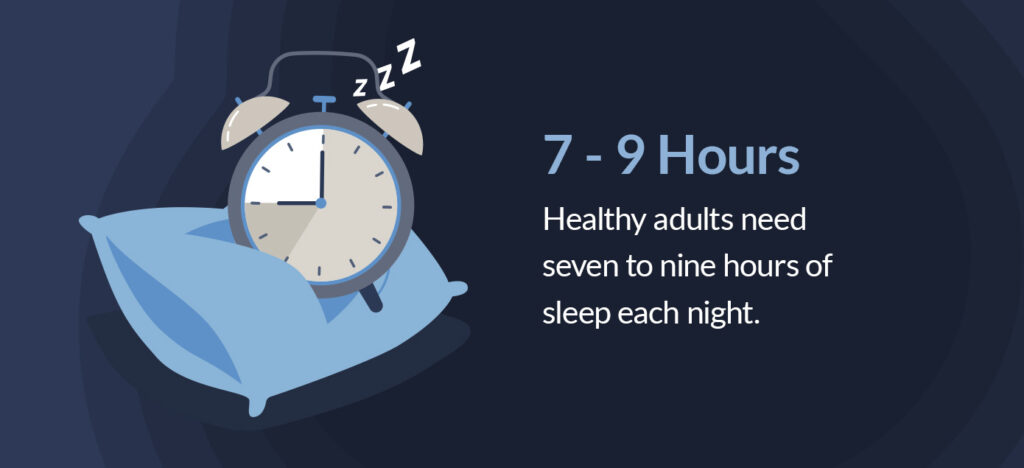
- Sleep: Maintain a consistent sleep schedule to support migraine prevention. Healthy adults need seven to nine hours of sleep each night. If you can sleep despite your prodrome or aura symptoms, doing so can bring relief.
- Avoiding environmental triggers: Tracking and avoiding your triggers can help reduce migraine frequency. If you experience an attack, remove triggers by going to a dark, quiet space and lying down for rest.
Try CEFALY for Migraine Relief
Preventive and acute medications for silent migraine
Your doctor may recommend over-the-counter (OTC) or prescription preventive and acute medications for migraine. Common preventive medications include:
- Beta-blockers and other blood pressure medications.
- Tricyclic antidepressants, including amitriptyline.
- Anti-seizure medications like topiramate.
- Botox injections.
Medications for acute migraine relief include:
- Triptans like rizatriptan and sumatriptan.
- Dihydroergotamine in the form of a nasal spray or injection.
- Lasmiditan, an oral tablet.
- OTC pain relievers like aspirin.
Ensure you get your doctor’s approval before starting any new medication for migraine.
Try CEFALY for Migraine Relief
Migraine treatment devices
Several treatment devices can help prevent and/or relieve migraine episodes. Neuromodulation devices are among the most effective. These include:
- Vagus nerve stimulation (VNS): VNS aims to prevent or relieve migraine by stimulating either of the vagus nerves. These nerves run from the brain through the neck to the stomach. VNS devices can work, but you’ll need a prescription and must invest in costly monthly refills.
- Remote electrical neuromodulation (REN): Wearing a REN device on the upper arm can stimulate peripheral nerves to relieve migraine pain. These devices can help prevent and relieve migraine with aura. However, they require a prescription and ongoing replacement. It’s unclear whether these devices are effective for silent migraine.
- External trigeminal neurostimulation (eTNS): An eTNS device comes with self-adhesive gel electrodes you attach to your forehead. These stimulate and desensitize the trigeminal nerve, the main pathway for migraine pain. Clinical research shows this can relieve acute migraine symptoms and reduce episode frequency. The CEFALY eTNS device is prescription-free and safe to use with or without medications. It also has minimal ongoing costs.
Try CEFALY for migraine relief
If migraine episodes disrupt your life, CEFALY could provide the relief you need. CEFALY is specifically indicated for the acute treatment of migraine with or without aura and the preventative treatment of migraine. Its effectiveness for treating silent migraine has not been studied. If you experience silent migraine and want to use CEFALY, talk to your healthcare provider.
Our 90-day guarantee means you can try CEFALY risk-free! Use the device as directed, and if it doesn’t work for you, you may return it within 90 days of purchase.
Try CEFALY today!



Latest Posts


“CEFALY Gave Me My Life Back”: Camille’s Search for a Drug-Free Migraine Treatment
Discouraged by her experience with medications, Camille began building a toolkit of non-pharmacologic migraine treatments. Find out what…

What Patients Need to Know About Episodic Migraine vs. Chronic Migraine
While official definitions classify episodic migraine as fewer than 15 headache days per month and chronic migraine as…