




Guide to the Migraine Prodrome Phase
Migraine attacks are easily recognizable by the pulsing head pain, extreme light sensitivity and debilitating nausea. However, they often announce their arrival with more subtle — and seemingly unrelated — precursors that can be easy to overlook. This is also known as the prodrome phase.
This premonitory stage is more common than many people realize. About 77% of people with migraine experience prodrome symptoms for up to 24-48 hours before the actual attack.
While it might include a few unpleasant symptoms, the prodrome stage is sometimes a blessing in disguise, believe it or not. When you learn to identify these initial warnings, you can better manage or even prevent a full-blown attack by intervening early.
This guide will help you navigate the prodrome phase of a migraine attack. We’ll cover a few common symptoms, how to recognize your personal warning signs, and effective strategies to manage symptoms before they become more severe.
What is the migraine prodrome phase?
The prodrome, or premonitory, phase is typically the first stage of a migraine attack. It usually occurs before the aura phase and can last anywhere from a few hours to more than a day.
Migraine prodrome symptoms can vary from person to person, but these are some common ones:
- Fatigue
- Neck and shoulder stiffness
- Sensitivities to light, sound or smell
- Mood swings, irritability or depression
- Difficulty concentrating
- Nausea or vomiting
- Dizziness or vertigo
- Food cravings
- Frequent yawning
- More frequent urination
Because the prodrome stage doesn’t include a headache, many people don’t realize that these early warning symptoms signal the onset of a migraine attack. Often, they’re only aware of what’s happening once the head pain, or migraine attack phase, starts.
How is prodrome different from other migraine phases?
To understand how migraine prodrome differs from the three subsequent phases — aura, migraine attack and postdrome — it helps to look at the others in more detail:
- Aura: This is the second stage of an attack that precedes a migraine headache. It usually consists of visual disturbances like flashing lights, zigzag lines and brightly colored spots. It may also include sensory symptoms like numbness, tingling or dizziness, as well as speech or language problems. Aura symptoms generally subside after a few minutes and shouldn’t last more than an hour. Not everyone experiences this stage — in fact, migraine without aura symptoms is more common than migraine with aura.
- Migraine attack: This is the main phase of a migraine attack, involving mild to severe throbbing pain on one or both sides of the head. Other symptoms may include nausea or vomiting, anxiety, sleeping difficulties, and sensitivities to sound, light, and smell. Attacks can last anywhere from a few hours to a few days.
- Postdrome: Also known as “migraine hangover,” postdrome is the final phase of a migraine attack. It includes various non-headache symptoms — such as fatigue, body aches and brain fog — that can linger anywhere from a few hours to a couple of days. Most people with migraine experience postdrome symptoms following an attack, and some find this stage to be as draining as the attack itself.
How to recognize your personal prodrome symptoms

Keeping a migraine diary is a great way to track early warning signs and identify trends in your prodrome symptoms. That way, you can recognize the prodrome phase and start treating symptoms before the attack kicks in. Journaling is especially helpful during this stage, as prodrome involves non-headache symptoms and can be trickier to detect.
Here are some details you might record in your migraine journal, though this can look a bit different for everyone:
- Date and time when prodrome symptoms manifest
- Length of prodrome phase
- Specific symptoms you experience, including mood changes, energy levels, cognitive challenges, and muscle stiffness or aches
- Potential triggers, such as lack of sleep, changes in diet or weather conditions
- Any preventive or abortive treatments taken during this stage and how you respond to them



Strategies for managing the prodrome phase
When you start to recognize the warning signs of the prodrome phase and understand your symptoms over time, you can take steps to manage them and potentially minimize attacks. Here are some things to try.
1. Early intervention
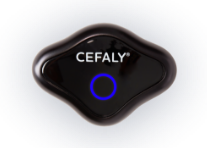
Early intervention is critical to prevent or alleviate a migraine attack. Take action as soon as you experience any of your typical prodrome symptoms, whether dizziness, nausea or muscle stiffness. You might take a dose of your migraine medication or try the CEFALY device’s 60-minute ACUTE mode setting when you feel symptoms coming on.
2. Lifestyle adjustments
Try adjusting your daily habits and routine based on your migraine triggers. Here are some examples:
- Sleep: If poor sleep tends to trigger your attacks, take steps to maintain a more stable sleep schedule, even on weekends. Establish a regular nighttime routine, and try to go to sleep and wake up at consistent times.
- Diet: Likewise, if certain foods and beverages trigger your attacks, limit your consumption of them. Eating regular, balanced meals can help manage attacks and maintain your energy levels. Try to avoid skipping meals, as that can lower your blood sugar and potentially trigger migraine.
- Exercise: Engaging in regular physical activity, such as walking, cycling or swimming, may reduce the frequency of migraine attacks by relieving stress and promoting better sleep. Try to maintain a balanced workout routine, but keep in mind that overly strenuous activity can trigger migraine.
3. Relaxation techniques
Certain relaxation techniques may help relieve migraine symptoms by reducing stress and anxiety, which are common triggers. Try doing some deep breathing exercises, progressive muscle relaxation (PMR), meditation or yoga to calm your body and mind.
4. Environmental control
When you feel prodrome symptoms coming on, create a restful, soothing environment if possible. Find a dark, quiet, cool room to lie down in. Dim the lights and limit your exposure to any other external triggers, such as loud noises. Close your eyes and try to relax, or even take a short nap.
You can also drink some water, eat a light snack, grab a soft pillow and blanket, or apply a warm or cold compress to your head or neck — whatever you need to do to make your space as comfortable as possible.
Try CEFALY and take control of your migraine treatment
Understanding the prodrome stage allows you to catch those red flags before an attack occurs. That way, you can take action and manage your symptoms more effectively.
Consider making CEFALY part of your migraine management plan. The electrical nerve stimulation device comes with two modes — ACUTE, which is intended to relieve pain at the onset of an attack, and PREVENT, which is designed for daily use to reduce attack frequency over time.
We offer fast and free shipping, and you can return the product within 90 days for a refund if you’re not satisfied. Take charge of your migraine treatment by ordering your CEFALY device today.







Latest Posts


“CEFALY Gave Me My Life Back”: Camille’s Search for a Drug-Free Migraine Treatment
Discouraged by her experience with medications, Camille began building a toolkit of non-pharmacologic migraine treatments. Find out what…

What Patients Need to Know About Episodic Migraine vs. Chronic Migraine
While official definitions classify episodic migraine as fewer than 15 headache days per month and chronic migraine as…