




How to Combat Migraine Fatigue
- What is migraine fatigue
- Causes of migraine fatigue
- Triggers of migraine fatigue
- Strategies to combat migraine fatigue
If you’re asking yourself why you feel tired with a migraine, chances are, you’re not alone. Around 70% of people with migraine may experience fatigue, and it can have a significant impact on your quality of life.
While other migraine symptoms, such as pain and nausea, tend to get all the attention, being fatigued is more than feeling tired — it can be debilitating. Luckily, there are ways of managing migraine fatigue.
What is migraine fatigue, and why does migraine make you tired?
Migraine fatigue mainly occurs in two of the four migraine stages — the prodrome stage, or the preattack stage, and the postdrome stage, known as the “migraine hangover.” Fatigue and other nonheadache symptoms can also occur in the interictal stage, the period between episodes. Migraine fatigue is a profound, persistent exhaustion that can impact your daily life.
These symptoms can also accompany migraine fatigue:
- Nausea
- Dizziness
- Body aches
- Mood changes
- Mental fogginess
- Light or sound sensitivity
When you experience a migraine attack, your body undergoes additional neurological and metabolic stress — from hormonal changes to inflammation. This stress uses up a lot of your body’s energy, which is partially why you might experience fatigue after migraine. Some say that the hours after a migraine are just as debilitating as the attack itself.
As we mentioned, there is a difference between tiredness and fatigue. Although we might describe fatigue as tiredness, it is more severe than feeling sleepy after a long day or physical activity. Sleepiness can often be remedied by a nap or a good night’s sleep. Fatigue persists. It’s extreme tiredness that could result from lifestyle, health conditions or medication use.




What causes migraine fatigue?
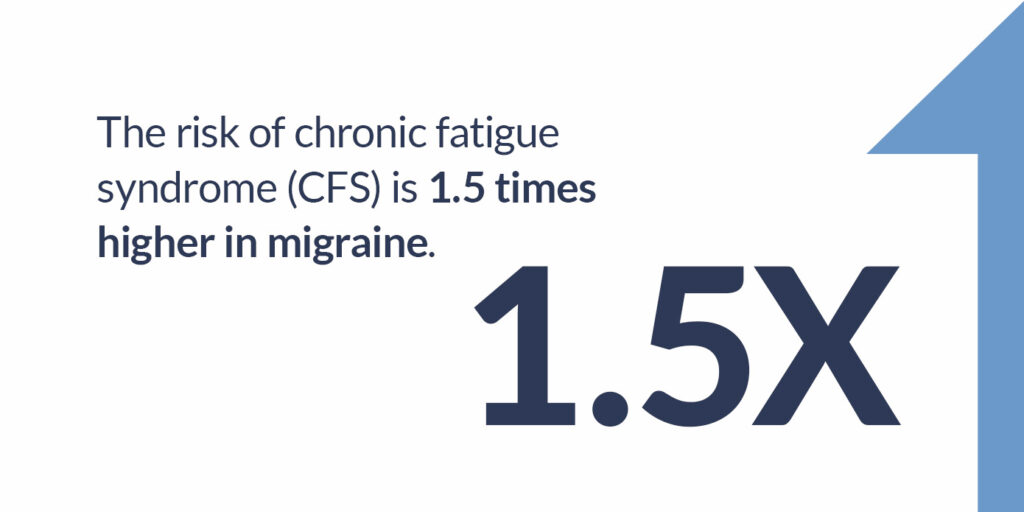
The risk of chronic fatigue syndrome (CFS) is 1.5 times higher in migraine. While the relationship between migraine and fatigue is not solely linked to CFS, this is still a stark statistic.
The exact cause of migraine is unknown, but various factors can trigger a migraine and the fatigue that precedes or follows it. Triggers vary from person to person and may include the following:
- Stress
- Anxiety
- Nicotine
- Dehydration
- Poor sleeping habits
- Hormone fluctuations
- Certain food and drinks
- Specific smells and odors
Fatigue after migraine can also result from the physical toll a migraine attack takes on your body, including disrupted sleep and changes in activity levels.
Identifying triggers and patterns in migraine fatigue
To identify your migraine fatigue triggers and trends, you’ll need a structured approach.
Track symptoms with a migraine journal
In your migraine diary, track each migraine episode and its potential daily triggers:
- Sleep patterns: Track how many hours you sleep — too little or too much can be a trigger. You should also assess sleep quality. Some sleep disorders are also linked to migraine attacks.
- Diet and hydration: What did you eat in the last 24 hours? Caffeine, alcohol, artificial sweeteners and processed foods can trigger migraine. Did you skip meals, eat too much sugar or not drink enough water? That, too, has an effect.
- Stress and well-being: Stress is another common migraine trigger. Did you feel anxious, overwhelmed or have a stressful day? Did you feel fatigued before the stress or only after the migraine hit?
- Hormonal changes: If applicable, did the episode occur around your menstrual cycle? Did you take or miss any birth control or hormone-altering medication?
- Weather and environment: The weather can also play a role, such as a sudden temperature shift or storm. Did you experience bright lights, strong smells, loud sounds or screen time strain? Were you exposed to any allergens or chemicals?
- Physical activity: Exercise can be great, but for some, physical activity can trigger migraine episodes. Did you overexert yourself with exercise or have a sedentary day? Did you experience muscle tension?
- Medication and supplements: Did you take or miss any medications? Did you change your vitamin or supplement intake?
Identify patterns and trends over time
After a few weeks of consistent tracking, you can start analyzing potential trends:
- Do migraine and fatigue occur after certain foods or drinks?
- Do they follow poor sleep or stress buildup?
- Are they worse during hormonal shifts or weather changes?
- Is fatigue a warning sign before a migraine hits?
- How long does post-migraine fatigue last for you?
To help you identify these trends, highlight repeated triggers on a spreadsheet and sort them by common factors.
Adjust and experiment with small changes
Now that you have patterns, start testing adjustments one at a time — for example:
- If sleep is a factor: Try a consistent bedtime or implement better sleep hygiene.
- If diet is triggering fatigue: Eliminate identified potential trigger foods for a period.
- If stress is a trigger: Try relaxation techniques, like yoga or meditation, to lower stress levels.
- If weather is an issue: Use a weather app and plan rest time during pressure drops.
Always consult a healthcare professional to help pinpoint your triggers and create a unique migraine fatigue management plan.
Try CEFALY for Migraine Relief
Strategies to combat migraine fatigue
Here are a few practical strategies to combat migraine fatigue.
1. Adjust your lifestyle
An effective way to manage migraine fatigue is by making a few lifestyle adjustments. A few potential areas to focus on include:
- Sleep: Irregular sleep patterns may trigger migraine and fatigue. Try going to bed and waking up at the same time each day — even on weekends. Also, put the screens down an hour before bed because blue light may disrupt melatonin production.
- Nutrition: Try energy-boosting foods like lean proteins, complex carbs, healthy fats and iron-rich foods to help sustain your energy levels throughout the day. Remember to avoid any trigger foods and to stay well hydrated.
- Exercise: While a trigger for some, exercise may help manage migraine episodes. At first, try low-impact exercises for your overall well-being. Remember to stretch out any tense muscles.
2. Try stress management techniques
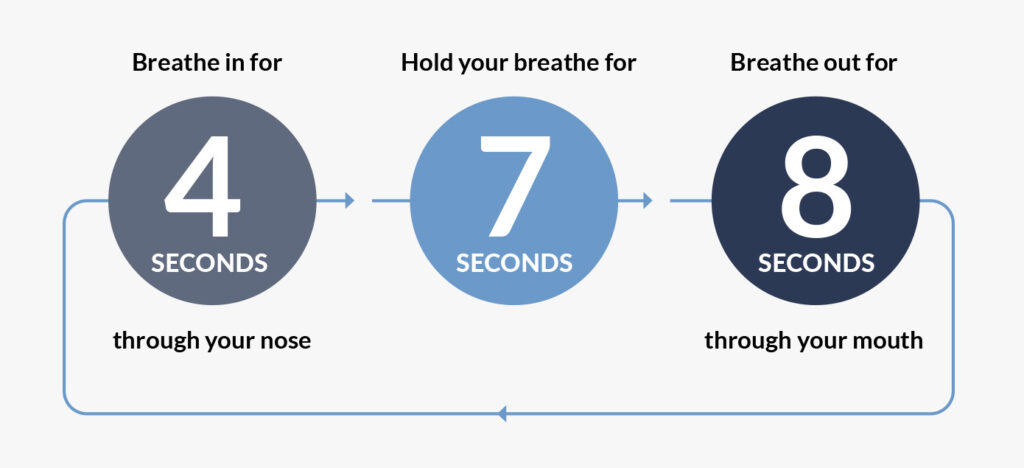
Learning to manage stress can help reduce migraine frequency and the associated fatigue. Mindfulness and meditation are excellent tools to promote relaxation and mental clarity. Guided meditation apps, body scan meditation and simple deep breathing exercises — such as the 4-7-8 breathing method — can help calm the nervous system.
3. Manage migraine symptoms
For those experiencing chronic migraine, preventive medications may help reduce the frequency and intensity of attacks. These include, but are not limited to:
- Anti-seizure drugs.
- Blood pressure-lowering medications.
- Antidepressants.
If your migraine symptoms are already beginning, you can try:
- Anti-nausea drugs.
- Pain relievers.
- Triptans.
Sometimes, your migraine medication may not work. In this case, try nonpharmaceutical options. Devices like CEFALY use external trigeminal nerve stimulation (eTNS) to target and desensitize the trigeminal nerve — the primary pathway associated with migraine pain. It’s a prescription- and drug-free option.
4. Consider cognitive and behavioral strategies
There are various types of migraine therapy, including cognitive behavioral therapy (CBT). CBT can help you reframe negative thoughts around migraine tiredness. For example, instead of thinking, “I’m lazy,” CBT techniques can help shift that thought to something like, “I need rest to recover.”
It’s all about setting realistic goals. For instance, instead of aiming for “100% energy,” set realistic daily goals like, “I’ll take two short breaks instead of pushing through.” Using pacing strategies — like the Pomodoro Technique or quick 20-minute naps — throughout the day may help you feel less fatigued after migraine.
When to seek professional help
Migraine exhaustion is no joke. If it takes a toll on your life, speaking with a professional can help you find relief. Here are some signs it’s time to consult a healthcare provider:
- Frequent or worsening fatigue
- Daily activities become unmanageable
- Increased migraine frequency and severity
- Sleep problems persist
- Mood changes or mental health struggles
- Current medications or treatments aren’t helping
Try CEFALY with our 90-day money-back guarantee
Migraine attacks are complex and have persistent symptoms, like fatigue, even on non-headache days. If you’ve ever felt exhausted after migraine, don’t worry — many know how you feel, and there are different ways to manage migraine tiredness. Experimenting and adjusting based on what helps your body recover can make a significant difference.
Early intervention can help prevent symptoms like migraine fatigue from occurring. That’s why we recommend you try CEFALY. Our device is backed by numerous clinical studies and is FDA-cleared. If you’ve made the most of our CEFALY device and aren’t happy, we offer a 90-day money-back guarantee.
Try CEFALY Connected today for migraine management!




Latest Posts


“CEFALY Gave Me My Life Back”: Camille’s Search for a Drug-Free Migraine Treatment
Discouraged by her experience with medications, Camille began building a toolkit of non-pharmacologic migraine treatments. Find out what…

What Patients Need to Know About Episodic Migraine vs. Chronic Migraine
While official definitions classify episodic migraine as fewer than 15 headache days per month and chronic migraine as…