




What to Do When Migraine Medication Isn’t Working
Struggling with a migraine is tough enough, but when your migraine medication is not working, it can feel downright hopeless. But you’re not alone — one study found that about 34% of people with migraine respond poorly to acute treatment with medication. The good news? There are other options to explore. It’s time to find a solution that works for you, because you shouldn’t have to live in the shadow of migraine pain.
One option is CEFALY: an advanced, non-invasive medical device that treats migraine with gentle, soothing nerve stimulation. In one study, acute migraine medication intake decreased by 36.6% among patients after three months of PREVENT treatment with CEFALY. Shop now.
Reasons migraine medication might not be working
When your migraine won’t go away with medication, there are often deeper factors at play. Understanding them can help bring you closer to finding relief.
Let’s go over a few possible reasons.
1. Incorrect timing
Abortive migraine medications often work best when taken early — ideally at the first sign of a migraine attack. Such is the case with triptans or non-steroidal anti-inflammatory drugs (NSAIDs). Once a migraine progresses and the pain becomes more severe, the brain’s pathways involved in the attack become a bit more complex.
As a result, the timing makes it harder for medications to provide relief. So, timing is everything. Waiting too long to take the medication may mean it’s working against a fully developed migraine attack rather than stopping it in its tracks.
2. Medication overuse
Using certain medications — including over-the-counter (OTC) ones like ibuprofen or aspirin — too often may be a factor. Taking these several times a week can have the opposite effect by causing what’s known as medication overuse headaches.
Overusing medication may create a cycle where the body becomes more dependent on it, and you may experience more frequent or severe migraine. It’s a frustrating cycle, but your healthcare provider can help you break it.




3. Misdiagnosis or incorrect medication
Not all bad headaches are symptoms of migraine. For instance, tension headaches, sinus headaches or even rare conditions like cluster headaches might mimic migraine headaches but require different approaches.
Even if you experience migraine, there are different subtypes. What if you have migraine with aura, menstrual migraine, chronic migraine or hemiplegic migraine? You may need a specific medication or a preventive approach tailored to your situation.
Other conditions may also mimic migraine symptoms, such as:
- Occipital neuralgia
- Temporomandibular joint disorder (TMJD)
- Postural orthostatic tachycardia syndrome (POTS)
4. Insufficient dosage
Sometimes, it’s just a matter of tweaking the dosage — especially when the prescribed dose isn’t enough to manage your migraine effectively. This may be the case if your migraine attacks are particularly severe or if your body metabolizes the medication differently.
You could try other delivery methods if your healthcare professional recommends it. For example, if pills aren’t cutting it, nasal sprays or injections might work faster. Your doctor can adjust things to match what your body needs.
5. Underlying conditions
Sometimes, migraine attacks are tougher to manage because of underlying conditions. The following may affect how well your medications work or increase migraine frequency:
- Sleep disorders: Getting a good night’s rest is essential for managing migraine attacks. Insomnia or sleep apnea may disrupt rest and trigger migraine.
- Mental health issues: Anxiety and depression may worsen migraine — showing a clear connection between the two.
- Hormonal imbalances: Hormones play a significant role in migraine. Various conditions can impact your hormones, which could potentially worsen migraine symptoms.
- Chronic pain conditions: Issues like fibromyalgia or TMJ disorders may amplify pain and other symptoms.

If you believe that your migraine medication isn’t working as it should, please consult with your healthcare provider. You can work together to find a solution that is best for you. Consider discussing other possible solutions beyond pharmaceuticals.
Other options to add to your migraine toolkit
Managing migraine can be a complex journey — and that’s normal. Luckily, there are many different strategies to try and see what works best for you and your migraine management needs. We’ve compiled a list of possible options to consider.
Try a medical device for migraine
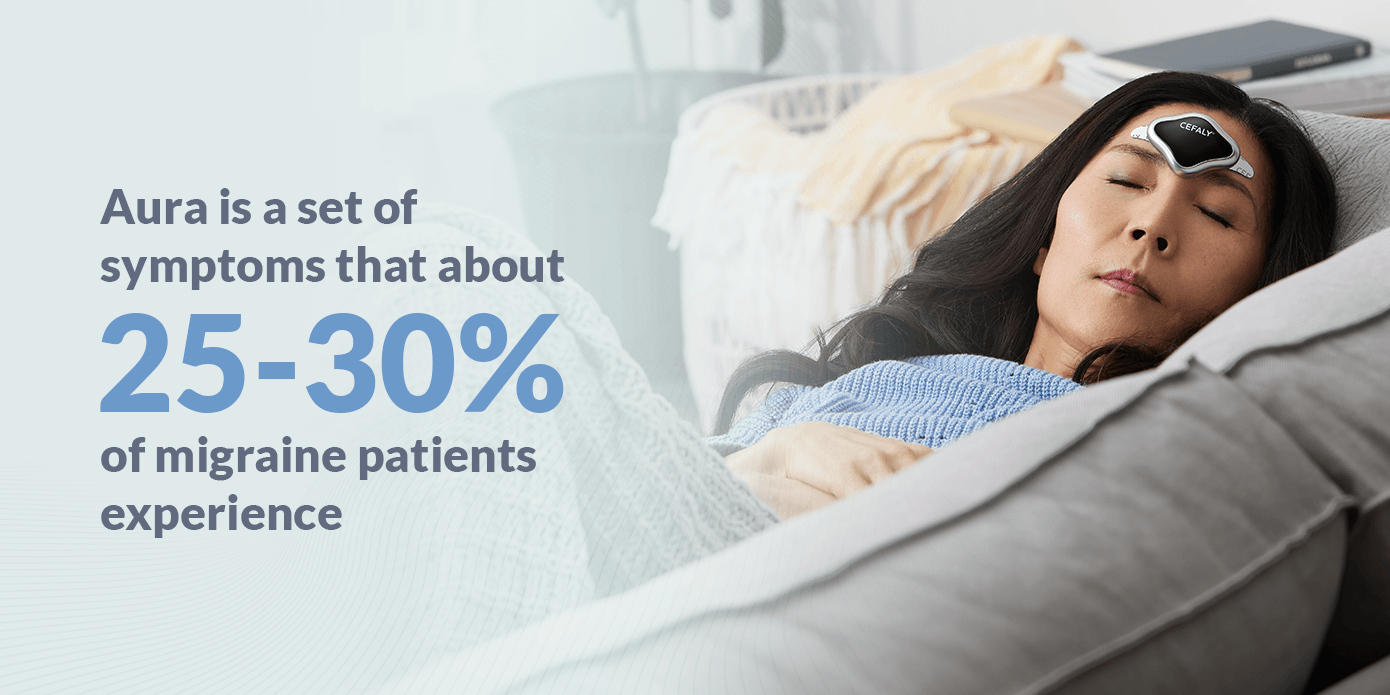
CEFALY is a clinically proven, drug-free treatment for migraine that could improve your quality of life. No prescription is needed for this simple-to-use device, which offers acute pain relief and prevention.
The device uses external trigeminal nerve stimulation (eTNS) to target and desensitize the nerve — which is a key pathway for migraine pain. Clinical studies have demonstrated great success with CEFALY users:
- ACUTE mode: Use at the first sign of a migraine to relieve pain. About 79% of users in one study reported pain relief following an hour, and on average pain intensity decreased by 59%.
- PREVENT mode: Use daily to reduce migraine frequency. Around 38% of users in one study saw their migraine days decrease by half or more with compliant use.
It’s an FDA-cleared solution that can be an effective tool for adults who don’t respond to medications or want a drug-free option.
Try CEFALY for Migraine Relief
Adopt lifestyle changes
When it comes to lifestyle changes, keep the “SEEDS” acronym in mind:
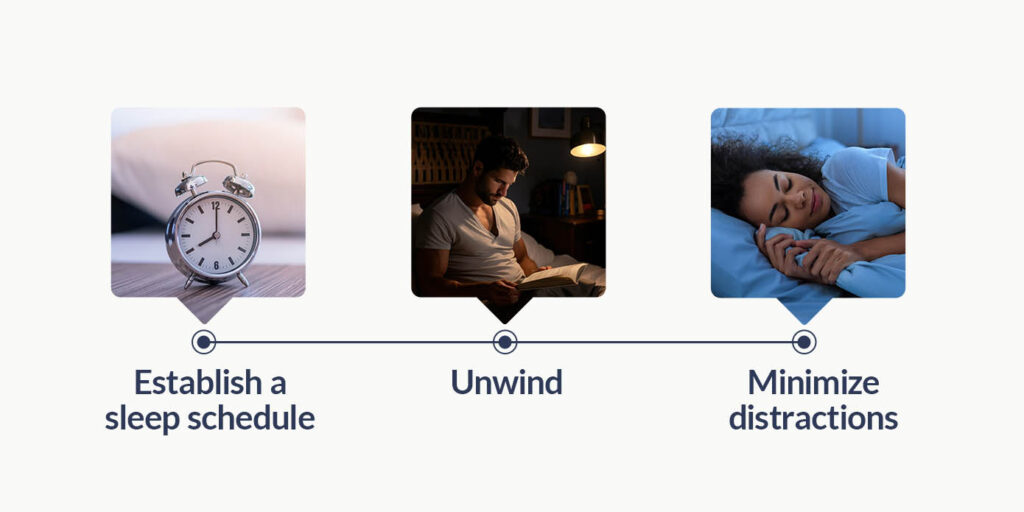
- Sleep: Quality sleep is so important. Adopt a nighttime routine that works for you and your body’s internal clock to help prevent migraine.
- Exercise: Moving your body has many benefits — including helping with migraine management. The improved blood flow and boost in your mood could be possible reasons why.
- Eat: Certain foods can trigger migraine attacks, so it’s helpful to keep a food diary. Although specific diets could help, it’s best to seek advice from a specialist.
- Diary: Keeping a migraine diary can give you insights into your specific migraine. Track what works for you and what doesn’t, and use that information to communicate effectively with your healthcare provider.
- Stress: Stress may be a major contributing factor to migraine frequency and severity. Finding ways to relax — be it deep breathing, meditation or yoga — can help you unwind.
Make environmental adjustments
The environment around you also has an impact. If you’re at home or somewhere you are able to control, try the following:
- Create a calm space: A dark, quiet room can help alleviate symptoms during a migraine attack. Control the room’s lighting and noise to minimize sensory overload.
- Adjust the lighting: Bright lights and fluorescent bulbs can be overwhelming during a migraine. Use softer lighting at home or work.
- Reduce any noise: Reduce noise through earplugs or white noise machines to block out triggering sounds and help you feel more comfortable.
Try alternative therapies
If you’re curious, consider the following alternative therapies:
- Acupuncture:Acupuncture therapy may help in interesting ways. You could potentially experience fewer migraine flare-ups with regular appointments.
- Biofeedback: This therapy uses sensors to monitor physiological responses like muscle tension or heart rate. It may teach you to better control those responses, potentially reducing migraine frequency and severity.
- Cognitive behavioral therapy (CBT): This therapy can help you identify and change negative thinking patterns, which could contribute to stress and trigger a migraine attack. It can also teach you effective coping strategies.
- Essential oils: Have you heard of aromatherapy? This is a gentle way to relax your muscles and reduce tension (as long as you’re not sensitive to fragrances.)

Take control of your migraine journey
Sometimes, your migraine medication might not be working, but that doesn’t mean you’ll have to endure the pain. There are other solutions beyond pharmaceuticals — from medical devices to certain therapies. If you’re curious to try a medical device today, we recommend CEFALY.
CEFALY offers a drug-free, clinically proven way to manage migraine with ease and confidence. Don’t let migraine dictate your day. Try CEFALY today and take control of your migraine journey!




Latest Posts


“CEFALY Gave Me My Life Back”: Camille’s Search for a Drug-Free Migraine Treatment
Discouraged by her experience with medications, Camille began building a toolkit of non-pharmacologic migraine treatments. Find out what…

What Patients Need to Know About Episodic Migraine vs. Chronic Migraine
While official definitions classify episodic migraine as fewer than 15 headache days per month and chronic migraine as…