



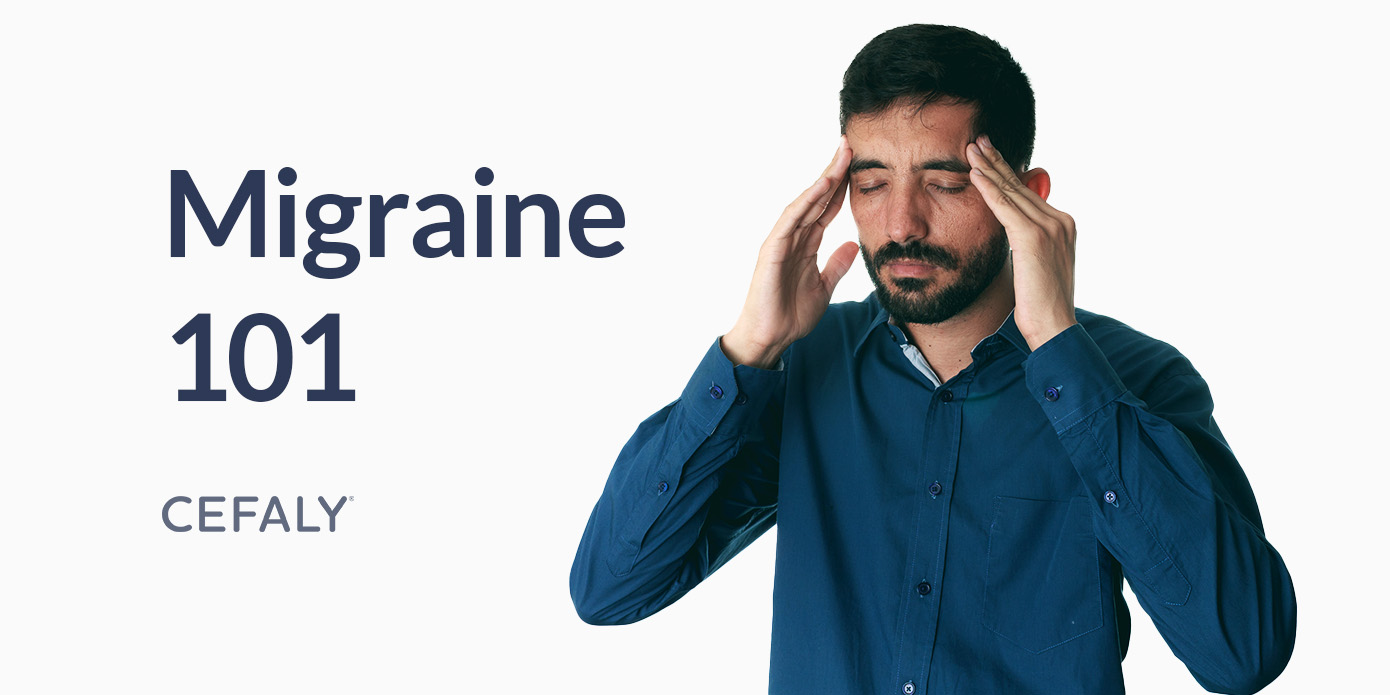
Migraine 101
Migraine attacks can present symptoms ranging from severe pain to nausea and vision disturbances. If you experience migraine or know a loved one who does, you might want to learn more about what migraine is like and tips for migraine prevention. In this guide to migraine 101, we’ll give a high-level overview so you can feel equipped to understand migraine better.
What is migraine?
Migraine is a neurological disorder that impacts more than 1 billion people worldwide. Migraine attacks are usually characterized by pulsing sensations or severe throbbing pain in your head. Some additional common symptoms include nausea, dizziness and sensitivity to light and sound. They can last for several hours or several days and vary in symptoms and severity.
Stages of a migraine attack
There are four stages of a migraine attack:
- Prodrome: Around 75% of people who have migraine experience the prodrome phase a few hours or days before an attack. Common warning signs include mood swings, difficulty with focus, sensitivity to light and muscle stiffness in your neck and shoulders.
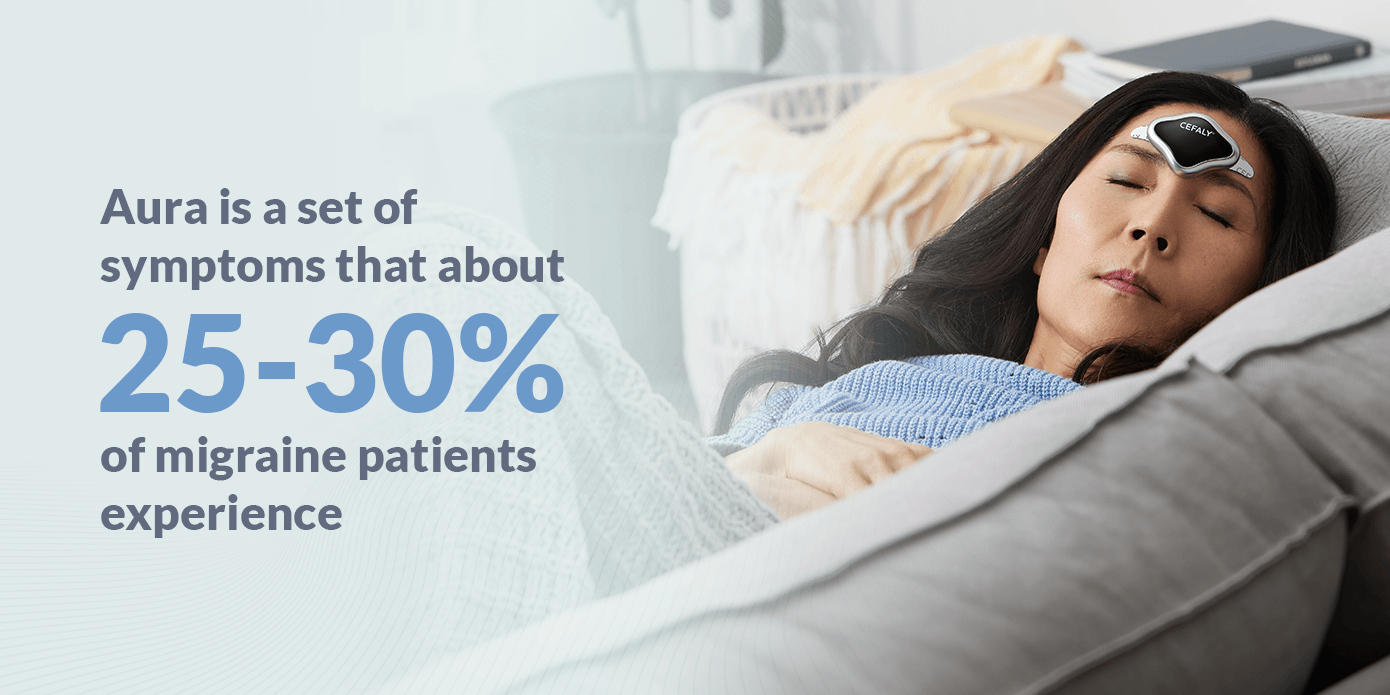
- Aura: Aura covers a range of symptoms, including visual disturbances like flashing lights, difficulty speaking and a feeling of pins and needles in your arms or hands. According to the American Migraine Foundation, only 25%-30% of people experience aura.
- Headache: This stage typically lasts between four and 72 hours. You may experience intense throbbing pain on one or both sides of your head, and the severity can vary depending on the person and episode.
- Postdrome: Over 80% of people experience a postdrome phase after a migraine attack. This phase includes common symptoms like fatigue, body aches and difficulty concentrating.
By paying attention to early symptoms and starting treatment, people can sometimes reduce the severity of the pain phase.
Common migraine symptoms
There is a wide range of symptoms associated with migraine. Here are some of the most common migraine symptoms:
- Nausea and vomiting
- Mood changes
- Fatigue
- Increased hunger and thirst
- Sensitivity to sound and light
- Throbbing or pulsing pain in your head
- Dizziness
The throbbing pain associated with migraine attacks only occurs during the pain phase. However, symptoms like sensitivity to light and sound may occur from the prodrome through the postdrome phases.
Migraine prevention tips
Because migraine is different for each person, the right prevention measures vary too. Here are seven migraine prevention tips to try:
- Find a calm environment to relax.
- Keep a regular sleep schedule.
- Identify and avoid your migraine triggers.
- Avoid bright lights and strong smells.
- Manage stress.
- Exercise regularly.
- Use preventive treatments, such as medication and/or CEFALY.

Get back to life with CEFALY
The CEFALY device is FDA-cleared and clinically proven to reduce the frequency and severity of migraine attacks. Targeted stimulation allows CEFALY to help reduce the pain signals sent to your brain during a migraine attack. We want to help you feel better so you can enjoy your life. Learn more on our website and try CEFALY today!





Latest Posts


“CEFALY Gave Me My Life Back”: Camille’s Search for a Drug-Free Migraine Treatment
Discouraged by her experience with medications, Camille began building a toolkit of non-pharmacologic migraine treatments. Find out what…
What Patients Need to Know About Episodic Migraine vs. Chronic Migraine
While official definitions classify episodic migraine as fewer than 15 headache days per month and chronic migraine as…