




Five Common Migraine Myths Debunked
If you have migraine, you’ve probably met people who are eager to tell you everything they know about the condition. They have lots of suggestions for things you can do to resolve it. The trouble is, these “migraine-splainers” are often wrong. No, you can’t just make migraine go away with positive thinking. No, you can’t just power through a migraine if you try harder. And no, migraine is not just a headache.
We’ll take a look at some of the most common migraine misconceptions and the truth about each one.
Myth: Migraine is just another term for a bad headache.
People who have never experienced a migraine attack may liken it to headache because that’s the closest thing they can imagine. Unfortunately, they just don’t understand what it’s like.
As anyone with migraine will tell you, the condition is far more complex — and more painful — than a simple headache. It’s a multi-phase disorder with a whole array of symptoms, often (but not always) including severe head pain.
Learn more: Is It Migraine or Headache? Here’s How You Know
Migraine Myth: Attacks are always caused by environmental or diet triggers.
You’ve often heard the advice to keep a migraine diary, which can provide useful clues to your specific migraine triggers. Common migraine triggers include stress, alcohol, caffeine, certain foods, strong smells, bright lights, changes in the weather and hormonal fluctuations.
It’s true that avoiding your personal triggers can help reduce the frequency of migraine attacks — but for most people, it’s not possible to prevent every one. Sometimes, you just don’t know what causes a migraine attack. CEFALY user Kelly is one example: “I used to be in theater quite frequently and after coming down the high of a show I would end up with a week-long migraine. Other than that, I haven’t found a trigger for my day-to-day migraines.”
Migraine Myth: It’s “all in your head.” You can prevent migraine attacks if you just stress less and think positively.
One of the most pervasive — and hurtful — migraine myths is that it’s a psychological condition that can be cured by lifestyle changes or mental effort. Cindy McCain, the widow of late Sen. John McCain, says that before she was diagnosed properly at age 40, doctors “wrote me off as being ‘a neurotic senator’s wife.’ Their advice was to go home, relax, and have a glass of wine.”
Migraine is actually a neurological disorder that can be profoundly disabling. The World Health Organization lists migraine as the sixth highest cause worldwide of years lost due to disability.
The frequency of migraine attacks can be lessened by practicing headache hygiene: eating well, staying hydrated, sticking to a regular sleep schedule, exercising and using stress relief techniques. However, this approach does not “cure” migraine.
Migraine Myth: Migraine is only experienced by women.
While the majority of people with migraine are women, men have the condition too. Approximately 6% of men have migraine, the Migraine Research Foundation estimates. Not only that, but men with migraine experience a higher risk of stroke and heart attack, according to the Harvard medical blog. Before puberty, more boys than girls experience migraine.
Migraine Myth: Medication is the only way to get effective migraine relief.
When someone is first diagnosed with migraine, their healthcare provider typically recommends medication. Acute or abortive medications, such as triptans, can help to relieve migraine pain during an attack. Preventive medications, such as beta blockers, calcium channel blockers and topiramate, can reduce the frequency of migraine attacks. Medications can be effective in treating or preventing migraine attacks. However, some also have serious side effects, and some pain relievers can cause medication overuse headache (MOH).
Want to learn about more migraine myths?
Check out our webinar Unveiling the Truth: 5 Common Migraine Myths Debunked.
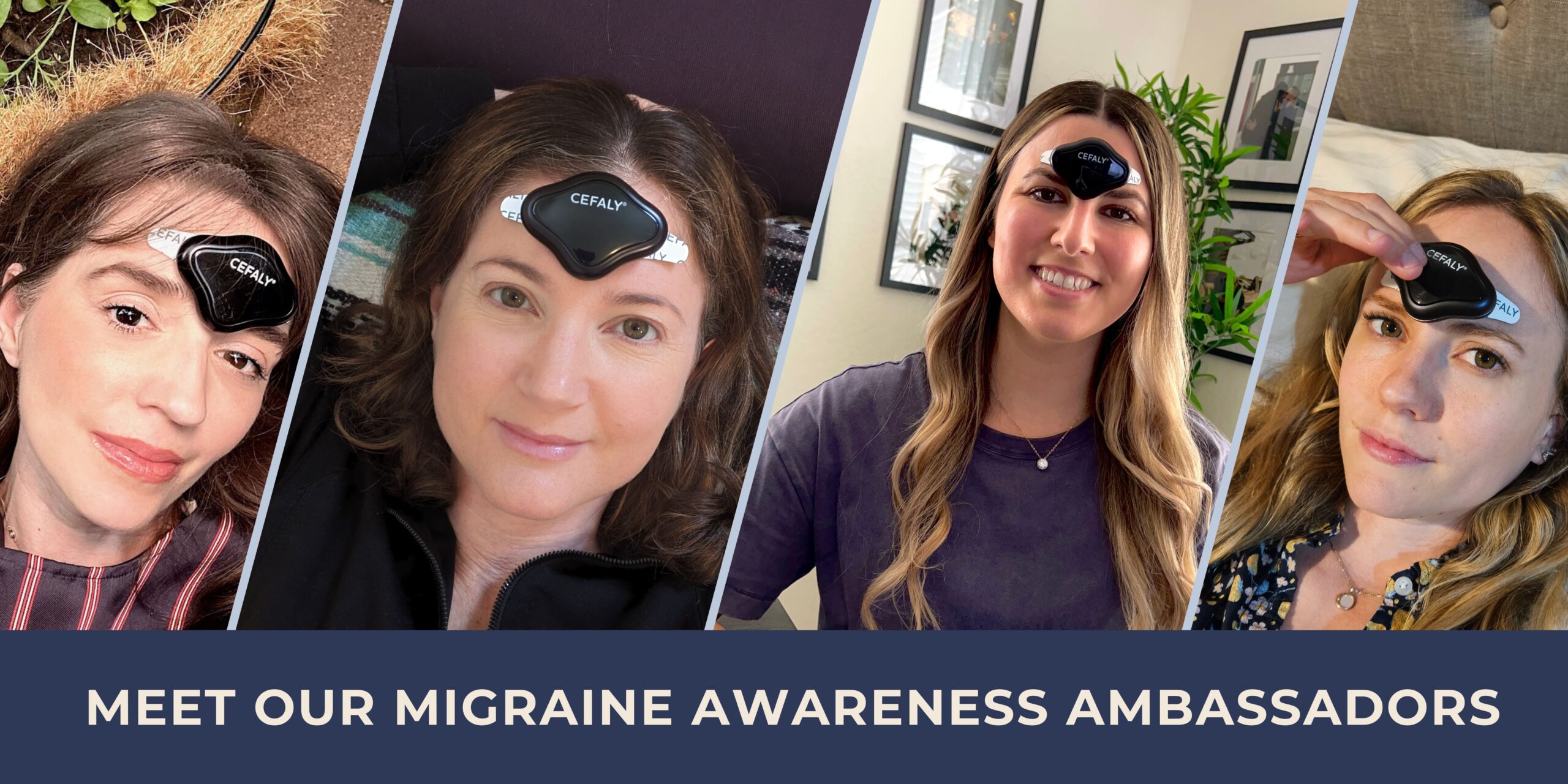
If you’re not seeing sufficient relief from migraine medication, or if the side effects are too severe, ask your healthcare provider about drug-free options. CEFALY, a medical device worn on the forehead that modifies pain sensation in the trigeminal nerve, is a clinically proven treatment for migraine. CEFALY is an FDA-cleared, OTC (no prescription required) for the abortive and preventative treatment of migraine.




Latest Posts


“CEFALY Gave Me My Life Back”: Camille’s Search for a Drug-Free Migraine Treatment
Discouraged by her experience with medications, Camille began building a toolkit of non-pharmacologic migraine treatments. Find out what…

What Patients Need to Know About Episodic Migraine vs. Chronic Migraine
While official definitions classify episodic migraine as fewer than 15 headache days per month and chronic migraine as…