




Newly Diagnosed with Migraine? Start Here
Maybe you’ve lived with episodes of severe head pain for years, or maybe they came on suddenly. Maybe you always thought you had ordinary tension or sinus headaches, until a loved one suggested that it could be something else.
However you arrived here, you’ve now been diagnosed with migraine. What does that mean? What should you do next? Here are a few key things to know as you begin your migraine treatment journey.
1. Migraine is a complicated disorder, and there may not be a simple fix.
It would be great if your doctor could say, “Take this pill and your migraine symptoms will go away.” Unfortunately, it doesn’t usually work that way. Instead, you need to work with your healthcare provider on an individualized migraine treatment approach.
This means coming up with a two-pronged plan: how to prevent migraine attacks and how to abort (stop) or relieve migraine attacks when they begin. You’ll probably try multiple treatment options before finding the ones that work best for you.
2. When you’re diagnosed with migraine, lifestyle changes can make a big difference in how you feel.
People say “the migraine brain hates change.” What does that mean? Migraine patients often find that they feel better and can reduce attacks when they keep their daily routines consistent. Use the SEEDS acronym as a guide:
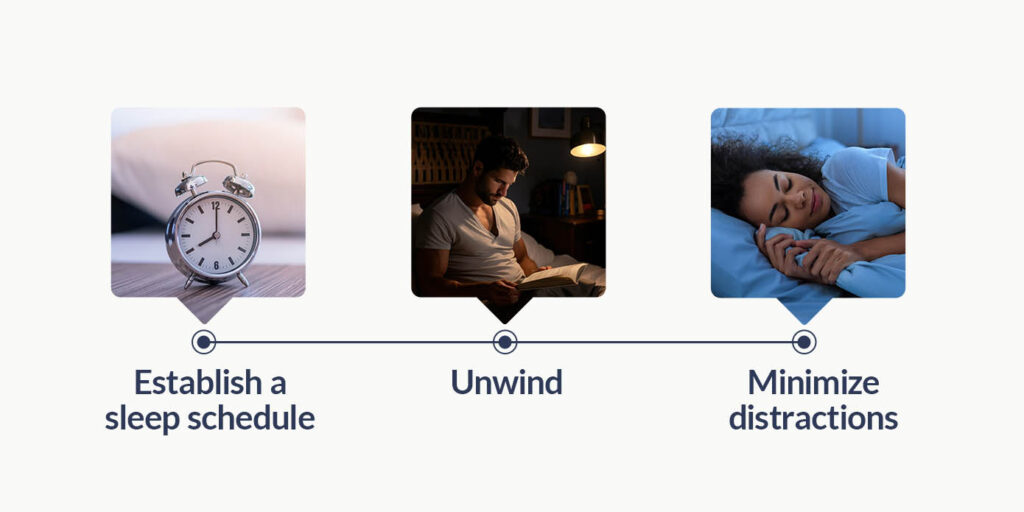
- Sleep: Go to bed and wake up at the same time every day.
- Exercise: Commit to a regular, low-impact exercise routine.
- Eat: Eat healthy meals on a consistent schedule, stay hydrated, and watch your caffeine intake.
- Diary: Tracking your daily habits, triggers, migraine attacks and symptoms can help you understand your migraine patterns.
- Stress: Stress is the number-one migraine trigger, so try calming rituals and mindfulness practices.




3. Migraine has a mental health component, too.
For a long time, people thought migraine was a mental health condition or a personality trait, not an actual disorder. Now, we know better — but it is true that migraine is linked to other mental health conditions. Anxiety, depression, and PTSD all are more common in people with migraine, although we don’t fully understand why that’s the case.
Even if you don’t have clinical anxiety or depression, migraine can play havoc with your emotions. That means you need to pay attention to your mental well-being when you receive a migraine diagnosis. As Dr. Michael A.L. Johnson, CEFALY’s Medical Affairs Advisor, explains:
“Realize that mental health conditions are likely part of the disease state of migraine, and therefore treatment of migraines includes recognition and treatment of mental health disorders. Taking mental health treatment seriously can improve your quality of life and well-being. Simple steps such as routine exercise, relaxation/mindfulness therapies and cognitive behavioral therapies if appropriate can help address both migraine and mental health conditions. Be sure to speak openly and honestly with your trusted physician about the impact of your mental health symptoms and migraine.”
4. It helps to learn your migraine triggers.
Scented candles. Supermarket lights. Feeling stressed. A bad night’s sleep. Skipping lunch. Starting your period. Crying.
These all can be triggers for migraine attacks. People with migraine have highly sensitive nervous systems. As a result, sensory stimuli (such as fragrances or loud sounds), environmental changes, or physical changes can often spark an attack.
(Some researchers believe that sensitivity to triggers means a migraine attack is already oncoming. For example, if a flickering light bothers you and then your migraine symptoms begin shortly afterward, maybe you were experiencing prodrome at the time.)
The upshot: Learn to pay close attention to your body and your environment. When you understand your own individual migraine triggers, you can do more to avoid them. And if a particular trigger sensitivity signals that an attack is beginning, you can start your abortive migraine treatment sooner.
5. When you’re newly diagnosed with migraine, you can learn a lot from keeping a migraine diary.
A migraine journal is a record of your symptoms, triggers, attacks, mood, and anything else related to your life with migraine. It may seem like a lot of work (especially when you’re not feeling your best), but it can help you better understand your migraine patterns and adjust your treatments.
For example, you may discover that migraine attacks often follow a few nights of sleeping poorly. If that’s the case, you could adjust your sleep schedule and reduce caffeine intake to try to avoid this trigger.
The CeCe Migraine Management app makes it easy by streamlining the migraine-logging process. Tap “Log migraine attack” when you feel symptoms begin, then add details once the attack has ended. You can also log your attack after the fact. Once you’ve recorded a few months of data in the app, you can securely download a report that shows your migraine stats and patterns. Sharing it with your healthcare provider can help guide your treatment plan.
6. Migraine medication may be the first option, but it’s not the only option.
Following a migraine diagnosis, your healthcare provider will usually suggest over-the-counter nonsteroidal anti-inflammatory drugs (NSAIDs), such as ibuprofen, for pain relief. If that doesn’t work, they may prescribe second-line migraine medications, like triptans. Third-line medication options include ditans and gepants. If nausea is a problem for you, an anti-emetic might be needed, too.
If migraine adversely affects you on two or more days every month, even with acute medication, then your doctor may recommend preventive medication, such as beta blockers or topiramate.
To complicate things, many health insurance companies insist on step therapy. This means you must try a lower-cost migraine medication first to prove it doesn’t work. Then, they’ll consider covering a higher-cost medication.
Does all this sound like a lot? It is! That’s why it’s important to understand that migraine medication isn’t the only treatment option out there.
If you’re looking for an alternative to migraine medication, or if insurance isn’t covering the migraine treatments you need, consider CEFALY.
CEFALY is the first FDA-cleared device of its kind for the treatment and prevention of migraine. CEFALY is different because it doesn’t have the side effects of medication. It’s a non-invasive device that’s worn on the forehead to stimulate and desensitize the trigeminal nerve: the primary pathway for migraine pain signals. The result: drug-free pain relief and more migraine-free days.
CEFALY is an HSA/FSA-approved medical expense, and it may be eligible for insurance reimbursement. (Reimbursement depends on your individual insurance provider and plan — learn more here.)
Try CEFALY risk-free for 90 days! Shop now.




Latest Posts


“CEFALY Gave Me My Life Back”: Camille’s Search for a Drug-Free Migraine Treatment
Discouraged by her experience with medications, Camille began building a toolkit of non-pharmacologic migraine treatments. Find out what…

What Patients Need to Know About Episodic Migraine vs. Chronic Migraine
While official definitions classify episodic migraine as fewer than 15 headache days per month and chronic migraine as…