




Why Women with Migraine Need Preventive Healthcare
Did you know that nearly half of all American women are skipping preventive health care appointments?
A recent survey by the Alliance for Women’s Health and Prevention discovered that 45% of women skipped a check-up, screening, and/or scheduled vaccine in the last 12 months. Unaffordable out-of-pocket costs, as well as limited time to schedule appointments, were the top reasons women gave for skipping this critical care.
The situation is worse when you look at preventive care for migraine. One large study found that 85% of people with migraine worldwide who qualify for preventive care weren’t getting the right treatment. Either they were receiving treatment that wasn’t enough, or no migraine treatment at all.
Do you see yourself reflected in this data? Today, make a pledge to reinvest in your health by getting preventive care — especially if you’re living with migraine.




1. Schedule a physical exam
Has it been more than a year since your last checkup? Make that appointment today. A physical exam usually includes:
- Checking vital signs, like blood pressure, temperature and heart rate
- Examining your heart, lungs, head, neck and abdomen
- Examining your eyes, ears, nose and throat
- Testing balance and motor functions
- Discussing health changes and symptoms
- Screening for diabetes, thyroid conditions, cholesterol and other conditions
2. Get a gynecological exam
If you’re a woman over 18, you should see your gynecologist once per year for a breast exam, pelvic exam and Pap test to screen for cervical cancer (if advised by your doctor), and overall health assessment.
It’s important to talk to your gynecologist about migraine, because of the link between hormones and migraine attacks. Hormonal birth control containing estrogen can affect migraine for better or for worse. Some women find that birth control can help prevent migraine attacks by keeping estrogen levels steady. However, the Centers for Disease Control and Prevention advise avoiding combination hormonal contraceptives for women who have migraine with aura, because of studies showing an increased risk of ischemic stroke.
3. Invest in your mental health
If you’ve been feeling anxious, depressed, overwhelmed or stressed, or experiencing other mental health challenges, schedule a consultation with a professional. Telehealth options abound: You can meet with a therapist via video or phone almost anytime. Need to talk to someone right now? Text HOME to 741741 to reach a counselor at the Crisis Text Line, which offers free, 24/7, text-based mental health support and crisis intervention.
4. See a headache or pain specialist
More than half of all migraine sufferers never get an official diagnosis. Of those who do seek medical care, just 4% consult a headache or pain specialist.
“Many women suffering with regular migraines don’t seek treatment. They may feel like it’s just something they need to put up with or they don’t require treatment because they don’t have headaches every day,” says Dr. Elizabeth Loder, professor of neurology at Harvard Medical School and chief of the Division of Headache and Pain in the Department of Neurology at Brigham and Women’s Faulkner Hospital.
Don’t try to tough it out and manage migraine on your own. A headache specialist or neurologist can review your symptoms, determine the type of migraine you have, identify any underlying conditions that might be causing or contributing to it, and recommend a treatment plan. While your primary care doctor may be able to prescribe pain medications, a headache specialist typically has extensive knowledge of specific migraine treatments, including new research and clinical trials. To find a specialist near you, try the National Headache Foundation’s Healthcare Provider Finder.
If you’re searching for a drug-free way to prevent and treat migraine pain, make today the day you try CEFALY. CEFALY is an FDA-cleared neuromodulation device that’s clinically proven to reduce the frequency of migraine attacks while also relieving migraine pain. It’s safe, soothing, and effective.






Latest Posts
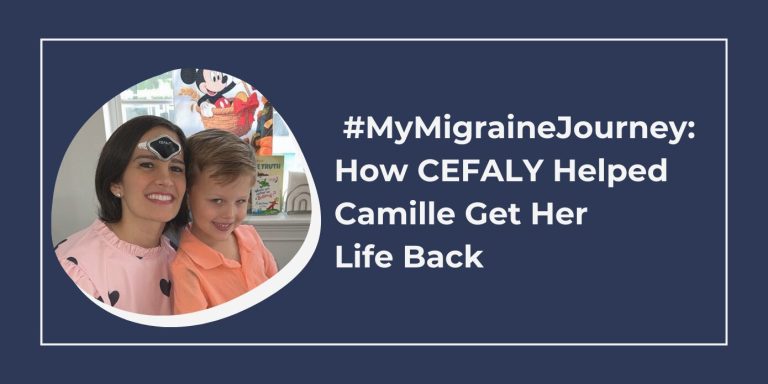
“CEFALY Gave Me My Life Back”: Camille’s Search for a Drug-Free Migraine Treatment
Discouraged by her experience with medications, Camille began building a toolkit of non-pharmacologic migraine treatments. Find out what…
What Patients Need to Know About Episodic Migraine vs. Chronic Migraine
While official definitions classify episodic migraine as fewer than 15 headache days per month and chronic migraine as…